DIESEL INDUSTRY NEWS

Chery reveals how the Stockman's diesel engine does double duty as a DPF heater
Chery has finally explained the mechanical trick behind Australia's first diesel plug-in hybrid ute: how it keeps its own exhaust filter clean without the driver ever noticing.
Chery has detailed how the Stockman's hybrid system actually works. A starter-generator spins the 2.5 litre diesel up to speed fast, while a separate traction motor sits inside the four speed gearbox and can drive the wheels on its own. Electric power is meant to cover low speed, cold running work, the kind that normally lets soot build up in a diesel's filter.
GWM expects plug-in hybrid to match diesel for half of Cannon salesHYBRID LEVEL: PHEV (context)

A direct, on the record sales forecast from GWM's own marketing boss, tied to tightening fuel efficiency rules rather than hype.
GWM Australia's head of marketing, Steve Maciver, says he expects the plug-in hybrid Cannon to eventually account for about half the model's local sales, roughly matching diesel. "That's not going to happen right off the bat," he said, but parity should come over time as NVES emissions targets bite.
The Cannon range, excluding Cannon Alpha, has nine variants: two PHEVs and seven diesels. Its sister model, Cannon Alpha, is reportedly already close to that split, with PHEVs making up 54.3 per cent of its 2025 sales. Industry wide, diesel still holds 84 per cent of light commercial sales through October, with PHEV in second place at 9.6 per cent.
GWM only just started shipping the Cannon Hi4-T PHEV to dealers, so this is a forecast rather than a result, but it's a concrete number from the company itself rather than speculation.
Primary source: GoAuto, "PHEV to make up half of GWM Cannon sales" (Jack Mackenzie), 11 November 2026.
GWM confirms a seat-component shortage behind the Cannon Alpha diesel supply scare

This moves the Cannon Alpha supply scare from an unconfirmed dealer rumour to a company acknowledged fact, though the full scale of the disruption is still unclear.
GWM Australia has confirmed a parts shortage is affecting its 3.0 litre turbo diesel Cannon Alpha, after weeks of dealer talk about a halted China production line. A GWM spokesperson told CarExpert the company had "been advised on a component shortage affecting the seats of the Cannon Alpha" and is "working closely with our global production team to understand the impact on future supply and timing."
The shortage is understood to touch both the diesel and PHEV Cannon Alpha variants. GWM has not confirmed dealer network claims, reported via the Forbidden Gearhouse Facebook page, that production has fully stopped, or that Australian stock will only last until March or April 2027. GWM says it still has stock locally but hasn't given a number or a firm timeline. The related Tank 500 3.0 diesel is not affected.
Marketing chief Steve Maciver had earlier said GWM was only having a number of conversations with the factory, without a full picture. This is the first time GWM itself has named a cause. It's still unresolved whether the line has actually stopped and when it restarts.
Primary source: CarExpert, "GWM Cannon Alpha production hit by parts shortage", corroborated by Chasing Cars and carsales.com.au, 12 November 2026.
Chery Stockman gets official Australian pricing from $52,990, undercuts BYD Shark 6HYBRID LEVEL: PHEV

The world's first diesel plug-in hybrid dual-cab ute finally has a hard number buyers can act on, turning months of spec speculation into a real showroom price ahead of February.
Chery has locked in Australian pricing for the Stockman, its 2.5 litre turbo-diesel plug-in hybrid dual-cab. The entry Urban grade starts at $52,990 plus on-road costs, with the flagship Ultimate topping the range at $57,990 plus on-roads. That puts the Urban about $4,910 below the BYD Shark 6 at $57,900 plus on-roads, though the Ultimate lands roughly $90 above it, so Chery undercuts most but not all of its direct rivals.
The Stockman pairs its diesel engine and a 34kWh LFP battery for a combined 350kW and 800Nm, a claimed 100km WLTP electric range, 3,495kg braked towing and a combined fuel figure of 1.0 to 1.1L/100km. A more powerful petrol PHEV variant, rated at 395kW and 1000Nm, follows in the second half of 2027. Showrooms open from February 2027.
Our earlier Stockman coverage dealt with the DPF regeneration mechanics and general specs. This is the first time official Australian dealer pricing has been confirmed, cross checked against CarExpert's own model hub where prior articles from July to October explicitly said pricing was still to be confirmed.
Primary source: CarExpert, "2027 Chery Stockman pricing: Diesel PHEV ute undercuts BYD Shark 6" (William Stopford), corroborated by CarsGuide and EV Central, 13 November 2026.
Diesel pips EVs to top spot in October VFACTS despite 14.7 per cent annual sales drop
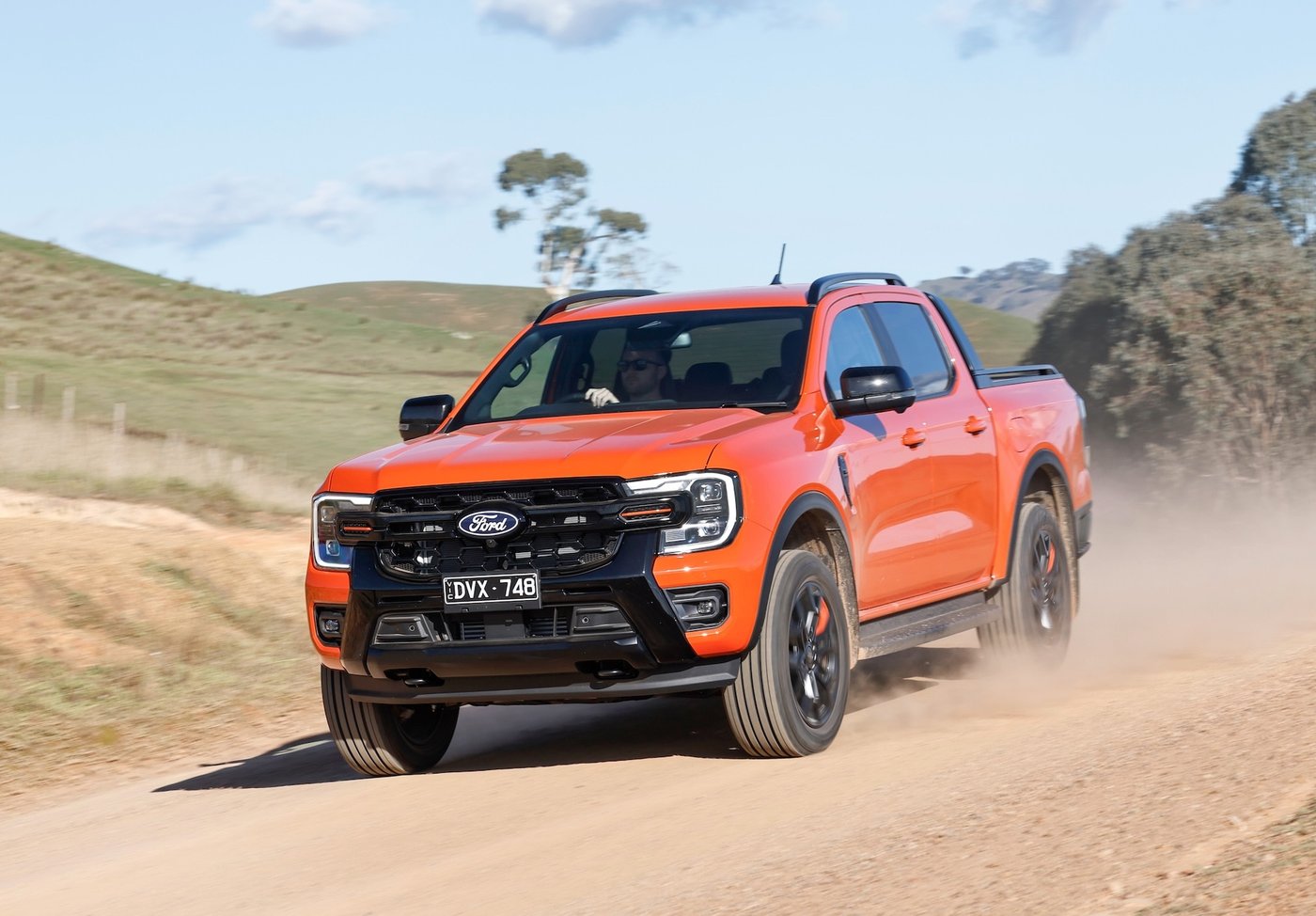
After EVs led the Australian new car market for two straight months, diesel reclaimed the top powertrain spot in October, driven almost entirely by ute demand.
Diesel was Australia's top selling powertrain in October 2026 with 25,649 sales, a 23.9 per cent share, narrowly ahead of EVs on 24,845, or 23.1 per cent, a gap of under one percentage point. That's despite diesel sales falling 14.7 per cent on October 2025.
The Toyota HiLux was the nation's best selling vehicle, its first monthly win of the year, with the diesel Ford Ranger second. Year to date, petrol still leads overall with 293,298 sales, a 27.5 per cent share, with diesel second on 258,361, or 24.3 per cent, and EVs third on 205,436, or 19.3 per cent. Total October sales hit 107,493, up 6.8 per cent on last year.
This is the primary data behind separate "shock win for diesel" headlines doing the rounds this week. VFACTS is the Federal Chamber of Automotive Industries' official industry sales dataset.
Primary source: CarExpert, "VFACTS October 2026: Diesels overtake EVs, Toyota HiLux reigns supreme" (William Stopford), 5 November 2026.
WA renewable fuels company plans $465m Kwinana plant to turn waste oil into mining and aviation diesel

A concrete, partly contracted Australian renewable diesel project aimed squarely at cutting WA's mining sector off imported diesel.
Continual Renewable Ventures is working toward a renewable diesel and sustainable aviation fuel refinery at Kwinana, Western Australia, that would convert waste cooking oil, tallow and agricultural residues into HVO, a fuel chemically near identical to mineral diesel, for mining, agricultural and aviation customers. Managing director Renzo Petersen says the plan was "never just a single production facility."
The Kwinana plant is costed at roughly $465 million for 175 million litres a year, with contracts already covering about 70 per cent of planned output. A second phase could lift capacity toward 600 million litres. Continual Renewable Ventures is working with US renewable fuels group XCF Global, which may earn up to 10 per cent equity in the Australian project as it hits development milestones, with CRV keeping majority control. WA environmental assessment is expected early 2027.
This builds on a binding agreement the two companies signed on 30 June 2026, which first set out the Kwinana plan.
Primary source: XCF Global press release, corroborated by Business News WA, resurfaced in Australian press 14 to 15 November 2026.
New 8.3 litre Duramax diesel enters production 16 November
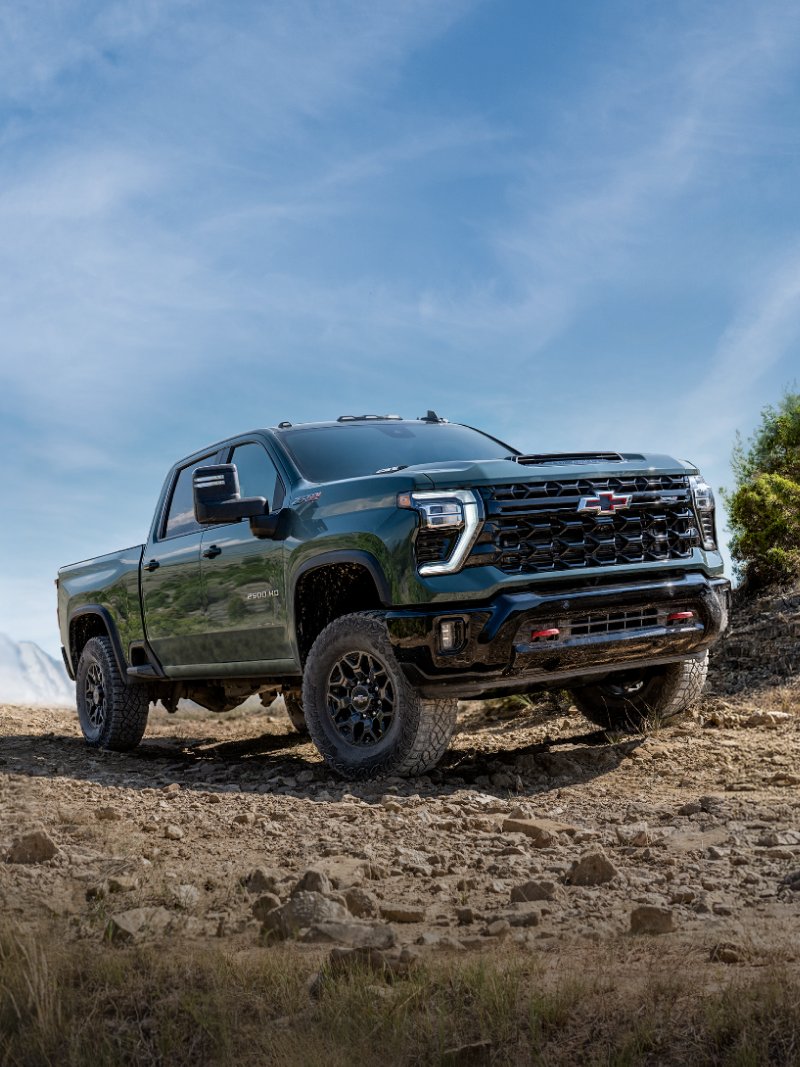
This moves GM's clean sheet Duramax from the first drive review we already covered to an actual production start date and pricing, the first new Duramax architecture in over two decades.
General Motors says its new 8.3 litre Duramax L6P turbo diesel V8 entered production on 16 November at the expanded DMAX plant in Brookville, Ohio, ahead of 2027 Chevrolet Silverado HD and GMC Sierra HD going on sale. The engine makes 555 horsepower and an estimated 1,230 lb-ft, built around a compacted graphite iron block, forged crank and rods, and a variable geometry turbo, paired with a 10 speed Allison automatic.
It replaces the outgoing 6.6 litre L5P, lifts maximum trailering to 38,000 lb, and costs US$11,400 as an option against US$9,900 for the old engine. GM calls it the sixth generation of the Duramax line, tracing back to the original 2001 engine's 300 horsepower.
Update, 17 November: The Drive's first drive review of the new Silverado HD confirms the diesel's output at 555 hp at 2,500 rpm and 1,230 lb-ft at 1,400 rpm, up 85 hp and 255 lb-ft on the outgoing 6.6L. Max Tow package rating is 38,000 lb, diesel payload 6,170 lb. The truck also switches from recirculating-ball to rack-and-pinion steering with electronic power steering and brakes. The reviewer's verdict: authoritative but not overpowering, quiet at idle, with immediate throttle response. No on-sale date or confirmed diesel-trim price given yet.
Primary source: Work Truck Online, corroborated by AutoEvolution and Chevrolet's own site, 9 November 2026. Update source: The Drive, 10 November 2026.
Skoda confirms end of diesel Octavia TDI after 30 years, last orders by mid 2027HYBRID LEVEL: replacement is HEV
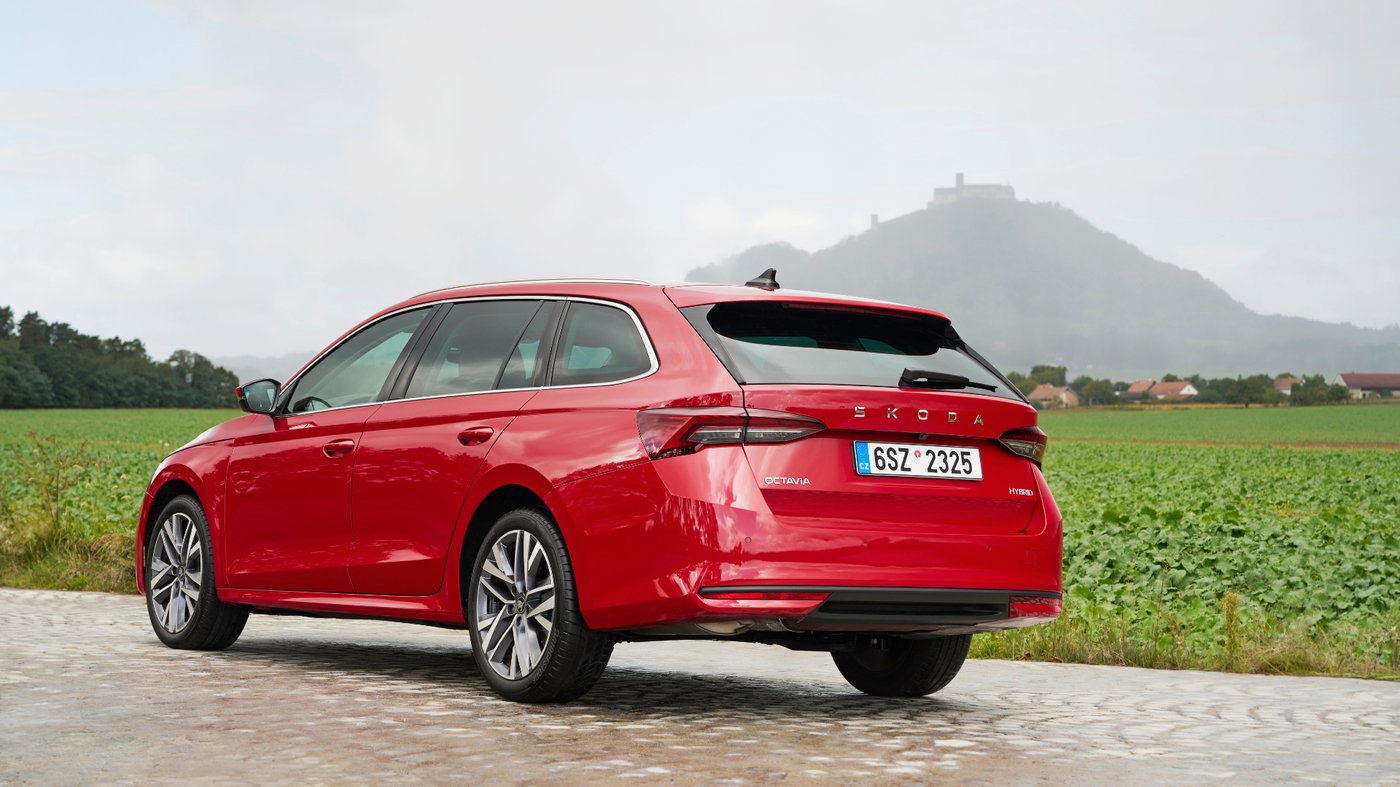
One of Europe's best selling diesel nameplates for three decades is being phased out in favour of a petrol full hybrid, a concrete signal of diesel's retreat even in traditionally diesel friendly markets.
Skoda will end production of the diesel powered Octavia TDI around mid 2027, with final orders able to be placed in the first half of the year and deliveries completing by year's end. Skoda Ireland brand director John Donegan said the TDI "has created the foundations of the Skoda brand we know today" and urged early ordering: "when they're gone, they're gone."
The diesel is being replaced by a new Octavia Hybrid, which pairs a 1.5 litre petrol engine, shared with the VW Golf and T-Roc, with two electric motors for up to 125kW system output. Donegan called it full hybrid technology and said it can spend most of its time running on the electric motor, with the petrol engine mainly acting as a generator, consistent with our own HEV classification: no plug, and no electric only range figure given yet. Boot space drops to 460 litres to make room for the battery.
Diesel versions continue for now in the larger Superb, Kodiaq and Karoq, where demand has held up better, with diesel-hybrid variants planned for those models down the track.
Primary source: The Irish Times, "Last orders, please: Skoda ditches Octavia diesel after 30 years" (Neil Briscoe), corroborated by Forbes Cesko, 9 to 10 November 2026.
BMW leaves door open for a diesel 3 Series Touring, even after axing it from the new sedan
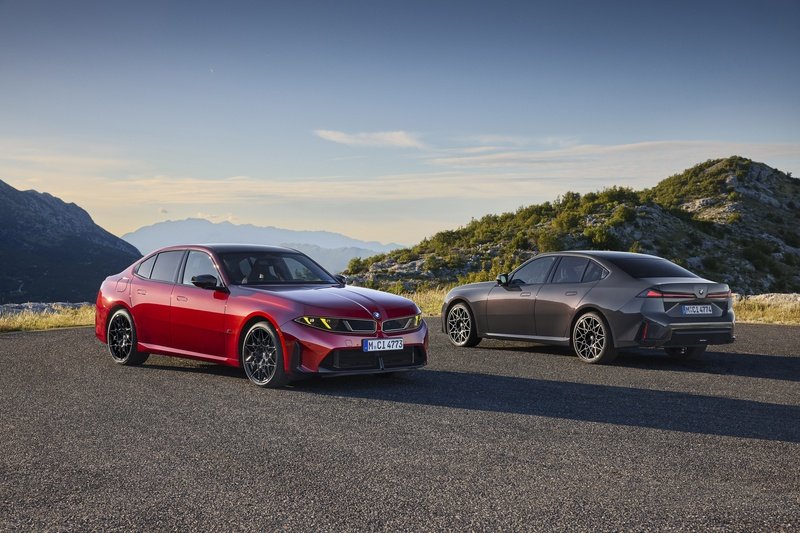
Days after confirming the new 3 Series sedan drops diesel entirely, BMW's own development boss has hinted the incoming Touring wagon could still get a 320d, a rare case of a manufacturer walking back a diesel exit before it's even finalised.
BMW's new generation 3 Series sedan arrives without any diesel engine option for the first time in decades, part of a broader shift toward petrol, hybrid and electric variants. But BMW's development chief has indicated the forthcoming 3 Series Touring wagon will be assessed as its own business case rather than automatically inheriting the sedan's powertrain lineup, leaving room for a diesel engined Touring, likely a 320d, to survive where the sedan's diesel didn't.
The distinction matters because wagons remain disproportionately popular with diesel buyers in markets like Germany, where towing, fuel economy and long distance range still favour diesel for many buyers.
Primary source: BMWBlog (Adrian Padeanu), 12 November 2026, cross checked against BMW Group's own newsroom release on the new 3 Series. We could not load BMWBlog's full article body on this occasion, so the Touring detail is reported pending a fuller quote.
Diesel cars all but vanish from Korea as hybrids and EVs hit 58 per cent of the market
Korea is now a clear live example of diesel passenger cars going from mainstream to statistically irrelevant within a few years, a leading indicator for hybrid and EV substitution elsewhere.
Diesel has almost disappeared from Korea's new car market. Just 515 diesel passenger cars were registered in September, out of 116,107 total: about 17 a day, and 0.4 per cent of the passenger segment. Across January to September, only 6,466 of 1.1 million new passenger cars were diesel. Even counting trucks and vans, diesel's share of all new vehicles is down to 2.5 per cent.
Hybrids and EVs have filled the gap: 423,943 hybrids and 297,478 EVs were registered in the same nine months, a combined 58 per cent of every new vehicle sold. The figures come from Korea's Ministry of Land, Infrastructure and Transport. Korea pushed hard into diesel passenger cars through the 2010s before a 2015-16 emissions scandal and tightening Euro-equivalent rules turned buyers away, and Korea's ageing diesel fleet now has nothing replacing it at the bottom end.
Primary source: JKN Media, "Diesel passenger cars, limited to 17 registrations a day, exit SUV market", citing Korea's Ministry of Land, Infrastructure and Transport, 15 November 2026.
AGCO Power's new CORE engines power two EIMA 2026 tractor launches
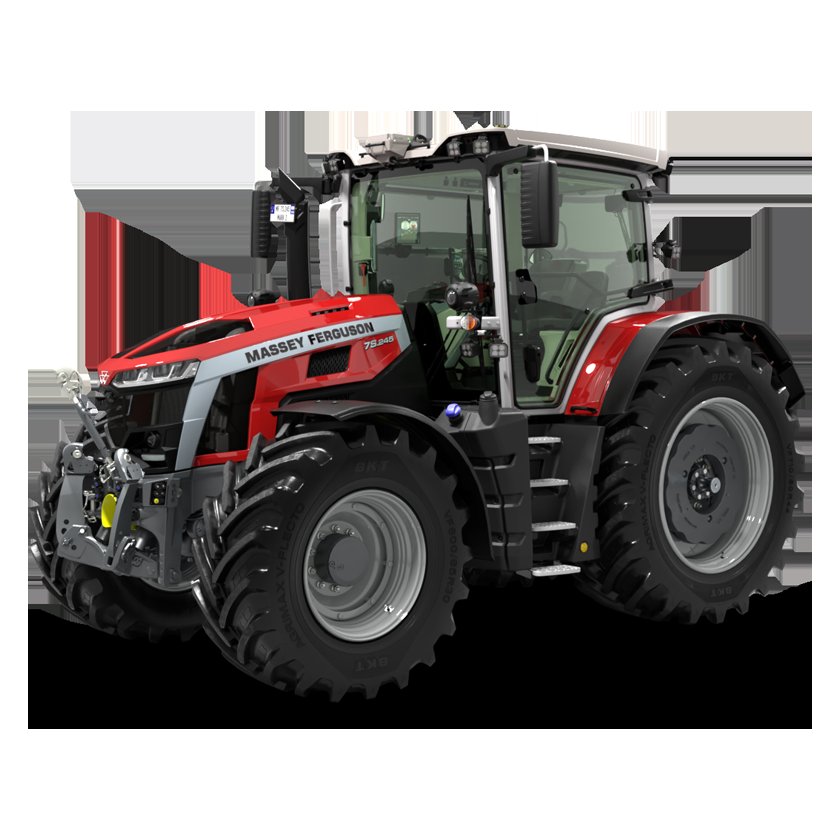
This shows AGCO rolling its HVO capable CORE engine family into flagship Massey Ferguson and Valtra tractors right as EIMA opens.
AGCO Power says its CORE75 engine family now powers the new Massey Ferguson MF 7S Mark 2 range and the sixth generation Valtra T Series, both shown at EIMA International in Bologna. The CORE engines, built at AGCO Power's Linnavuori plant in Finland, already run on HVO renewable diesel and are designed to be adaptable to future fuels.
The MF 7S Mark 2 pairs CORE75 with Massey's Dyna-VT CVT transmission. The Valtra T Series uses tuned CORE75 variants with either AGCO's ML180 CVT or a Powershift gearbox. CORE80, a related engine in the same family, was named Diesel Engine of the Year 2026 by Powertrain International.
No hybrid system is involved here, this is a conventional diesel engine rollout, included for its direct EIMA relevance and AGCO's own future fuel ambitions.
Primary source: AGCO Power press release, 5 November 2026.
Chile's truckers stay split over diesel price strike as government scrambles to cap rises
A live, verifiable industrial dispute out of a thinly covered region, directly about diesel pricing and freight disruption.
An indefinite trucker strike hit Chile from 10 November, with blockades on Route 5 Norte and Route 5 Sur and around port access roads, after diesel and petrol rose 40 pesos a litre on 12 November under the government's price stabilisation formula, the sixth straight weekly rise. Diesel has climbed almost 400 pesos a litre since late July, with the state absorbing about 170 pesos a litre of that and spending roughly 1.1 trillion pesos on fuel subsidies between August and October.
The Confederacion Fuerza del Norte led the stoppage, while Chile's two biggest trucking confederations stayed out, with one pushing for a six month price freeze instead. The government has proposed emergency legislation capping any single weekly fuel price move at 20 pesos a litre for 90 days.
This is the latest flare up in a recurring Chilean trucker and diesel price dispute that has resurfaced several times through 2026. Its status past 11 to 13 November could not be confirmed by edition day.
Primary source: Latin Times, corroborated by El Mercurio and El Desconcierto, 9 to 13 November 2026.
Massachusetts teenager who talked his way into a workshop placement named America's top young diesel tech

A good news story for a trade worried about where the next generation of diesel technicians is coming from: a 20 year old who started with no official placement has just been named the country's best young diesel tech.
Greydon Souza, a 20 year old diesel technician at Advantage Truck Group's dealership in Raynham, Massachusetts, has been named the 2026 Diesel Technician Grand Champion in the NEXT Top Talent Awards, run for drivers and technicians under 30 by the Next Generation in Trucking Association. Souza, who lives in nearby Westport, first asked the dealership for a co-op placement while still a student at Bristol County Agricultural High School. The program was full, but the shop made room for him anyway.
In under two years as a full-time tech he's picked up 170 certifications and become the shop's go-to man for complex engine work. He's also mentored five co-op students and pitched in on the company's charity truck convoy, Haulin 4 Hunger. Dealership manager Christopher Pentedemos says Souza's top priority is simple: get the customer's truck back on the road.
Primary source: Next Generation in Trucking Association, cross checked against The Herald News, Fall River, Massachusetts. Award announced 27 October 2026.
INS Betwa to swap steam for diesel propulsion in Rs 498.58 crore refit

This is the second Brahmaputra class frigate, after INS Beas, that the Indian Navy is re-engining, confirming a fleet wide shift away from steam propulsion.
India's defence ministry has signed a Rs 498.58 crore contract with Cochin Shipyard Limited for the normal refit and re-powering of INS Betwa, a Brahmaputra class guided missile frigate. The deal, signed in New Delhi on 11 November, will strip out Betwa's ageing steam turbines and fit a diesel engine propulsion system instead, which the ministry says gives better thermal efficiency, lower fuel burn and faster start up than steam.
The refit also covers a modernised weapons suite, though no specific missiles or sensors are named yet. More than 50 small and medium enterprises are expected to get work from the project, which the ministry is framing as a boost for indigenous ship repair capability. Betwa follows sister ship INS Beas, which began a similar steam to diesel conversion at the same shipyard in 2024.
Primary source: The Week, corroborated by UNI India, 11 November 2026.
Maine commissions first hybrid diesel-electric ferry, named for Trenton sea captainHYBRID LEVEL: HEV (our best read)
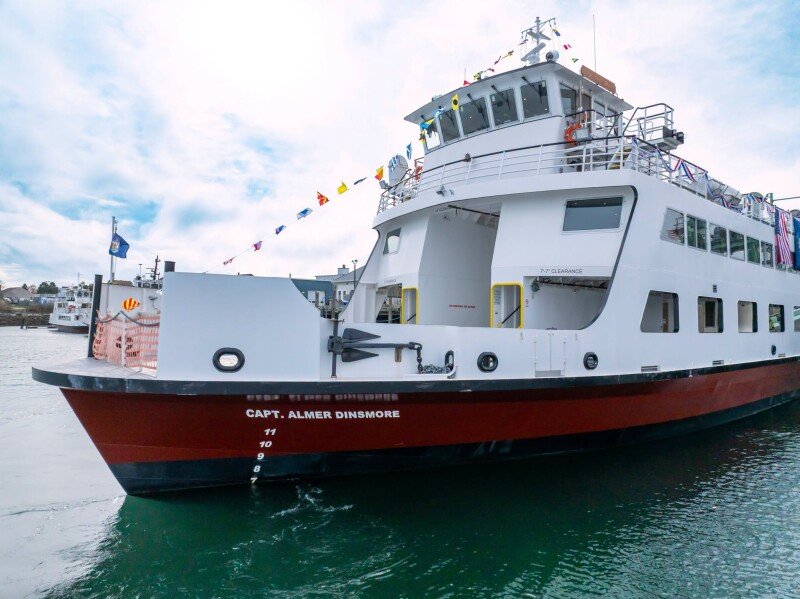
New England's first locally designed and built hybrid diesel-electric ferry, a genuinely separate vessel and programme from the Alaska ferry we covered last issue.
Maine's state ferry service has commissioned the M/V Capt. Almer Dinsmore, its first hybrid diesel-electric vessel, at a ceremony in Rockland. Built by Senesco Marine in Rhode Island, the 154 foot, 250 passenger, 23 vehicle ferry runs on batteries while docked and loading, then switches to a parallel diesel-electric system under way, with diesel only as a backup. It will work the Rockland to Vinalhaven run.
The ship honours Captain Almer Dinsmore, who spent 45 years at sea including nine years as permanent skipper of the Swans Island ferry Everett Libby before retiring in 2013. He now lives in Trenton, Maine, near Bar Harbor. Maine's own release didn't give engine or battery kWh figures, so our HEV label here is our own best read, dockside electric only with a parallel hybrid under way and no plug mentioned, not a manufacturer stated class.
Primary source: Maine Department of Transportation, corroborated by WorkBoat, ceremony reported 9 November 2026.
Puerto Rico's fiscal watchdog waves through $620 million diesel deal, but says the bidding wasn't fair
Puerto Rico's power grid still runs heavily on imported diesel, and the island's federal fiscal overseer has just approved the next big fuel contract while openly criticising how it was awarded.
Puerto Rico's Financial Oversight and Management Board has approved, with conditions, a diesel supply contract worth up to 620 million US dollars for Genera PR, the company running the island's power plants for the Puerto Rico Electric Power Authority. The ultra-low sulphur diesel fuels several major plants plus backup units on the islands of Vieques and Culebra.
The board signed off on 11 November but flagged "renewed concerns regarding competition in fuel procurement." Genera picked one supplier over a rival that bid lower prices, citing better storage and delivery infrastructure. The board wants wider access to San Juan's fuel terminals opened up, and Genera will now sign standby deals with the losing bidders so it can make cheaper spot buys when the market allows.
Primary source: The San Juan Daily Star, board approval 11 November 2026.
FPT's third-generation F28 Hybrid goes high-voltage at EIMAHYBRID LEVEL: platform dependent, MHEV to PHEV
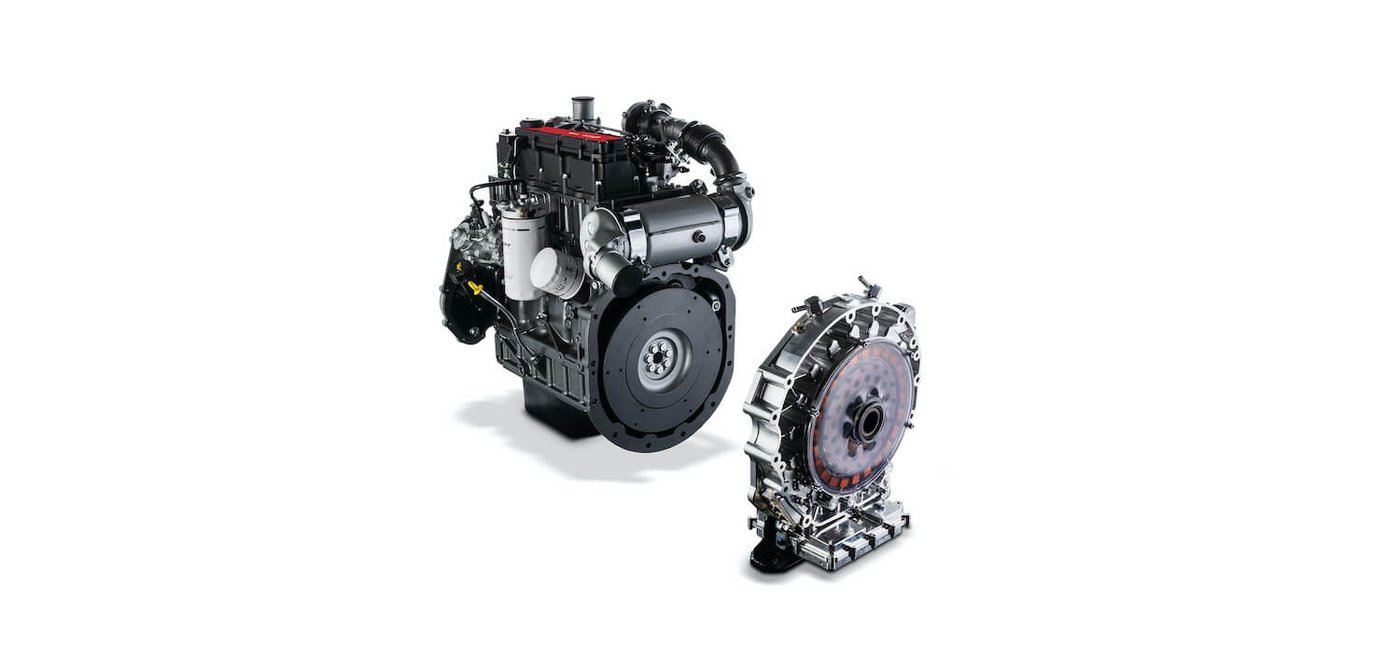
This is the clearest diesel-hybrid powertrain news to surface on our road and technology desks since the hunt's thirteen clock-on dry streak broke earlier this month.
FPT Industrial showed the third generation of its F28 Hybrid engine at EIMA Bologna, and it's a bigger jump than past updates. The F28 is a compact 2.8 litre, four cylinder diesel rated at 75kW and 415Nm, built for telehandlers, specialty tractors and fruit harvesters. Earlier versions ran a 48 volt mild hybrid layout good for about 20kW of extra assist.
The new generation adds a 700 volt high voltage configuration rated at 75kW continuous, and FPT's own EIMA exhibitor listing says this series layout enables plug-in solutions and fully electric operation. FPT hasn't published a battery capacity or an electric only range yet, so the exact hybrid class of the production machine isn't locked down. The low voltage configuration is a straightforward MHEV, assist plus start-stop with no electric only drive. The high voltage configuration is manufacturer stated as capable of plug-in and full electric operation, which would place it at PHEV level, but that can't be confirmed as a full spec until FPT discloses the battery details.
Primary source: FPT Industrial's own EIMA exhibitor profile, plus FPT's Agritechnica 2025 press release for baseline specs. EIMA ran 10 to 14 November 2026.
SOCAR signs $120m deal to add 600,000 tonnes a year of diesel at Turkey's STAR refinery
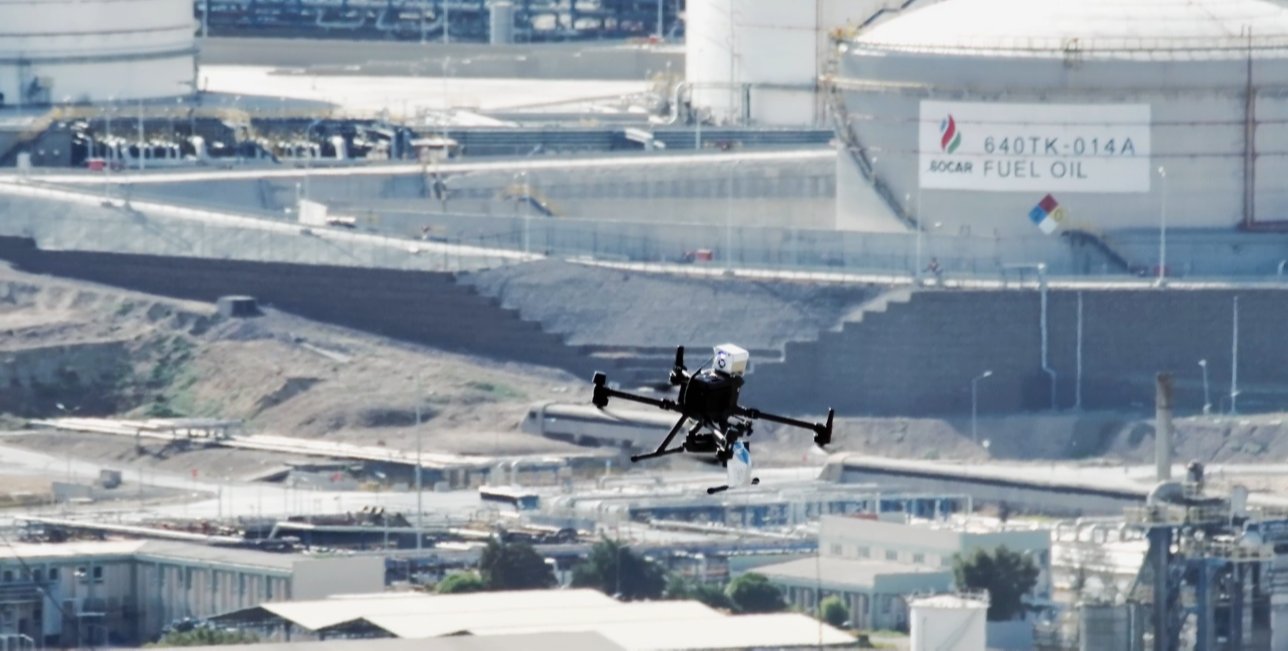
Turkey's biggest refiner is paying real money to make more diesel at home, right in the middle of a Russian supply squeeze that's been rattling the region all year.
SOCAR Turkiye has signed a construction contract with contractor KT Kinetics to build a new jet fuel unit at its STAR refinery in Izmir, worth roughly 6 billion lira, about $120 million US. The twist is what it frees up. Once the new unit takes over jet fuel duty, the refinery's existing unit switches over to making diesel instead, adding about 600,000 tonnes a year to Turkey's diesel supply.
STAR already made 6.8 million tonnes of diesel in 2025 out of 13 million tonnes total capacity. Construction starts within days and the new unit should be running by early 2029. SOCAR says it's aimed at cutting Turkey's diesel import bill and current account deficit, nothing to do with sanctions directly, but the timing lines up with Turkey leaning harder on US and Indian diesel after Russian export bans bit into its usual supply.
Primary source: Hydrocarbon Processing, corroborated by Turkiye Today, 10 November 2026.
New Holland's T4F mild-hybrid scoops an EIMA Technical Innovation AwardHYBRID LEVEL: MHEV
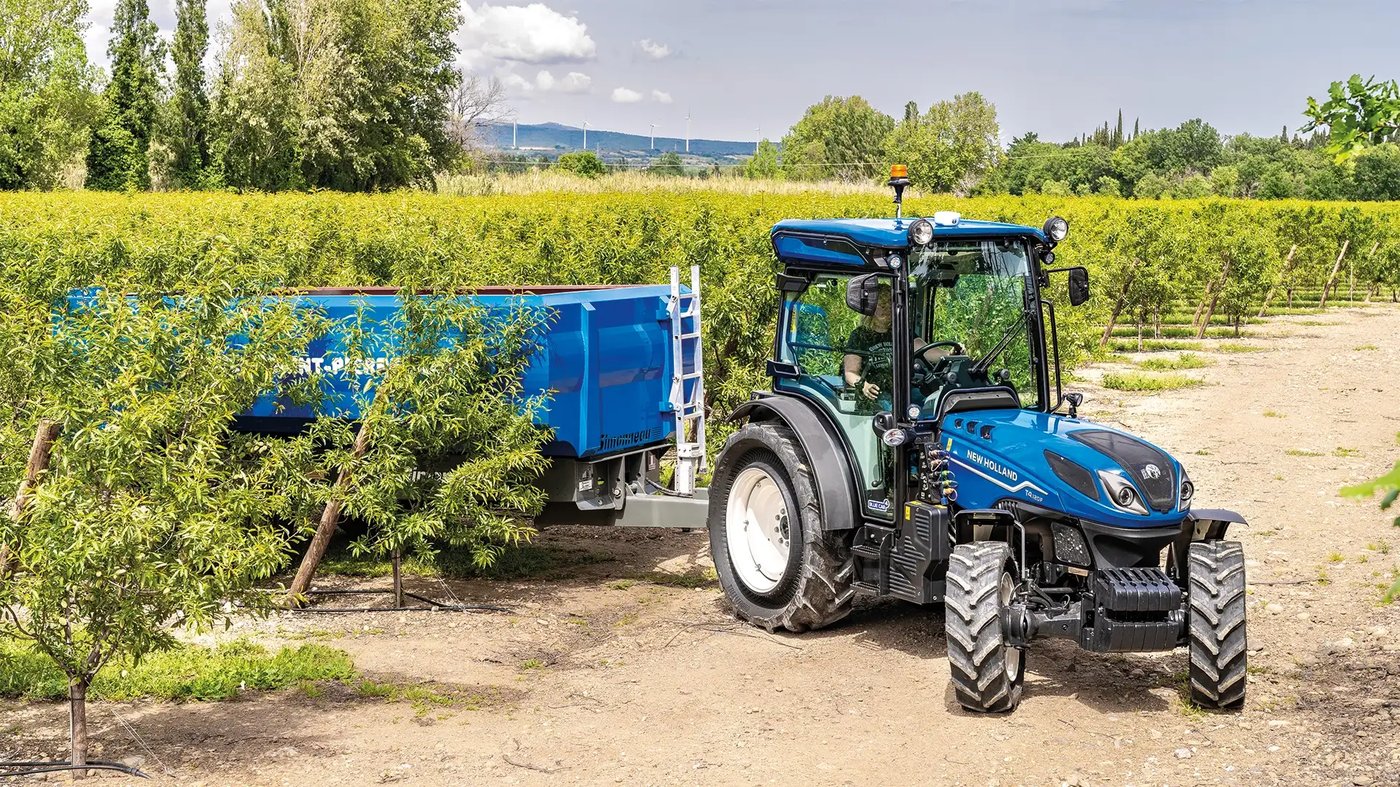
A genuinely new angle on EIMA beyond the opening-day story we already ran, naming the specific hybrid tech recognised by the show's own judges, and a second diesel-hybrid find this issue.
New Holland picked up three EIMA Technical Innovation and Evolution awards this year, and the standout for this masthead is the T4F eSource Mild Hybrid System, a prototype specialty tractor built on the diesel T4F platform. FederUnacoma's official award list names it among nineteen Technical Innovations for 2026.
New Holland is claiming fuel savings of up to 52 per cent, though it hasn't released a battery size or voltage yet. The other two awards went to the BigBaler's slip-clutch driveline and a Combine Smart Traction Control system, neither of them hybrid. The T4F line itself is a known quantity, Stage V diesel engines from FPT with AdBlue aftertreatment, so there's no doubt about the fuel this prototype is built around.
EIMA International 2026, its 47th edition, opened 10 November in Bologna with 1,800 exhibitors.
Primary source: FederUnacoma's EIMA award list via Interempresas, and New Holland's own coverage, award list published 30 September 2026.
The US diesel waiver for Russia is real and final, but almost nobody will touch the cargo

This corrects our own earlier Watch List. A formal exemption instrument has existed since 9 October. The live story now is that buyers, insurers and at least one US state are refusing to act on it.
The US Treasury's sanctions arm, OFAC, issued General License 135 on 9 October, authorising the sale, delivery and import of Russian origin diesel through 7 April 2027, carved out of the broader Russia sanctions regime at Washington's request. That's the deal between the Trump administration and Moscow that's been in the news. What's new this week is what's happening on the water.
The Malta flagged tanker Agioi Fanendes, carrying 40,000 tonnes of Russian ultra low sulphur diesel loaded at Primorsk on 22 October, stalled off the US east coast with no discharge port named, then turned back about 400 nautical miles off New York, the second or third Russian cargo to do this in a fortnight. New Jersey's governor has told port operators accepting it would risk federal civil and criminal penalties. Russia's foreign minister Sergei Lavrov claims the deal is working and prices fell immediately. US government data shows diesel did fall last week, but after a longer rise, and nothing ties that specifically to Russian barrels, since none have landed yet.
The saga remains legally unchanged, the license stays in force to 7 April 2027, while commercially stalled. More tankers have since turned away from the US, and reported Brazilian buyers are said to be balking at the price Russia wants.
Primary sources: OFAC General License 135 (full text); Reuters via gCaptain; TASS, quoting Lavrov; US EIA weekly diesel price series. 9 October and 10 to 11 November 2026.
US energy department keeps ordering data centres to run diesel backups to prop up the grid

Washington has a standing legal mechanism that lets grid operators order data centres' diesel generators to fire up and feed the grid, and it's been used repeatedly through 2026 as AI load bites.
The US Department of Energy has a running pattern in 2026 of issuing Federal Power Act Section 202(c) emergency orders for grid operator PJM, which covers 13 states plus Washington DC, that let PJM direct backup generation at large loads, including data centres, to switch on and support the grid during tight periods. The most recent, Order No. 202-26-50, ran 13 to 16 October 2026 during an unseasonable warm spell.
These orders exclude safety critical sites such as hospitals and water plants, but let data centre diesel generators run, and while the order is active their emissions, hours and fuel use don't count against normal rolling average limits. A Virginia Commonwealth University study found diesel generator emissions in Northern Virginia's data centre corridor rose 111 per cent between 2015 and 2023, hitting lower income, renter heavy neighbourhoods hardest. Virginia, Massachusetts, Maryland and California all signed new data centre rules in September 2026 in response.
This is a US federal grid mechanism, not an Australian one, but it's a clear sign regulators there are now formally comfortable treating diesel backup power as grid support capacity rather than just emergency standby.
Primary sources: US Department of Energy, Order No. 202-26-50; Virginia Commonwealth University research; context via Utility Dive. Order effective 13 to 16 October 2026.
IEA says the oil market is back in surplus, but diesel is the exception
This is the International Energy Agency's own monthly assessment, the most authoritative global read on diesel supply, and it bears directly on pump prices and supply security worldwide.
The IEA's November 2026 Oil Market Report says global oil supply rose 2.3 million barrels a day to 105.4 million barrels a day in October, enough to tip the overall market into surplus in the fourth quarter of 2026 and a larger surplus, around 3.8 million barrels a day, in 2027. But the IEA singles out diesel and other middle distillates as the overriding concern, citing severe tightness in product supply driven by continued attacks on Russian refining and export infrastructure stacked on top of Middle East related losses.
European diesel prices remain about 77 per cent above pre-war levels even as crude has eased. IEA member countries will release roughly 71 million barrels of stock through the end of February 2027, including about 15 million barrels of diesel, almost entirely from France and Germany, on top of 349 million barrels already released since March. Refinery runs, which fell to a seasonal low of 81.3 million barrels a day in October, are forecast to recover to 84.7 million barrels a day by December.
Don't expect bowser relief from the oil glut headlines. Diesel specific tightness means fleet operators and workshops everywhere, Australia included, should still budget for elevated diesel prices and possible supply volatility through at least February 2027, even as crude oil itself gets cheaper.
Primary source: IEA, Oil Market Report, November 2026, corroborated by Newsquawk and Energy News Beat, 13 November 2026.
Daimler Truck says it will sell only 2027 compliant diesel engines, no penalty payments needed
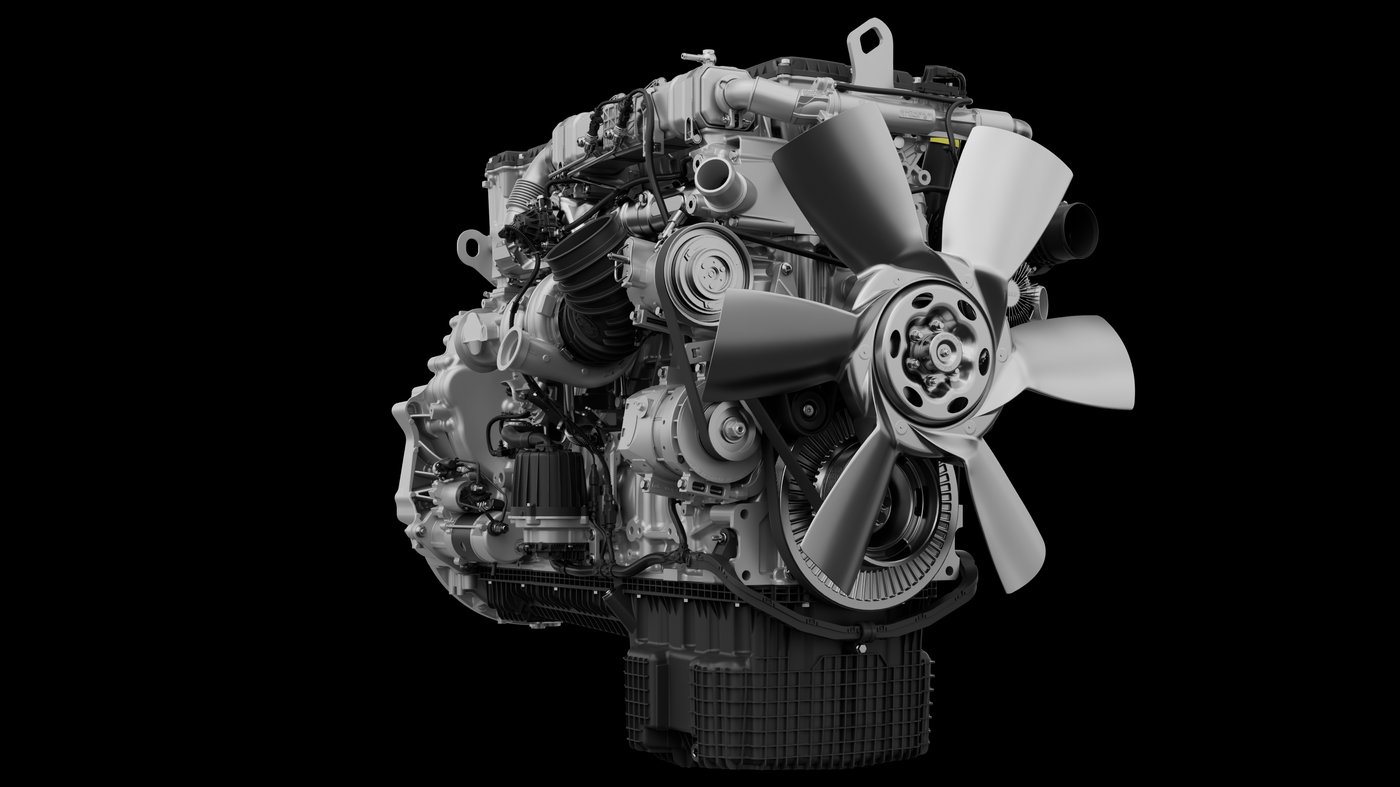
This is the first major engine maker to rule out the pay-a-fee-instead-of-hitting-the-target option under the EPA's still unfinished 2027 rule, and it is putting a number on what compliance actually costs fleets.
Daimler Truck North America says it will switch its entire US heavy duty lineup to EPA27 compliant Detroit Gen 6 engines from January 2027, with no parallel run of older non compliant engines sold alongside them. Chief financial officer Eva Scherer said the company does not expect to pay any non conformance penalties for its compliant engines, a pointed contrast with rivals weighing that route while the EPA's proposed rule changes remain unresolved.
Chief executive Karin Radstrom said the new engines don't need a 48 volt system to meet the tighter limits, so the cost increase is modest, and the engines should carry roughly a 3 per cent total cost of ownership advantage over current units. Tailpipe NOx limits fall more than 80 per cent and particulate limits by half under the rule as it currently stands.
The base 2027 NOx standard taking effect in January is final and locked in. The EPA's proposed amendment package, covering warranty rollback, DEF derate changes and penalty flexibility, is still not finalised after its comment period closed in August. From January, new Daimler badged trucks will all run the tighter engine as standard, with no cheaper non compliant option and no 48 volt hybrid gear to service.
Primary source: CCJ Digital, direct quotes from Daimler Truck leadership, originally published 13 August 2026, updated 16 November 2026.
Watch List
- Isuzu D-Max/MU-X fuel-type/PHEV saga: still no hybrid or PHEV plan announced for either model.
- GWM Hi4-G diesel-hybrid programme: China launch tracking early 2027, no firmer Australia date.
- GWM Cannon Alpha production stoppage: cause now confirmed (story above), still unresolved whether the line has fully stopped.
- FPT F28 Hybrid, 700 volt configuration: chasing the full battery and range spec sheet to lock in the final hybrid classification.
- Bauma China 2026 (Shanghai, 23 to 27 November): watching for diesel-hybrid or alternative fuel engine exhibits once it opens.
- Russia's own outbound export ban on diesel, marine fuel and gas oil: extended by decree to 31 January 2027.
- India's BS-VII draft emissions rule for heavy and commercial vehicles: still proposed, open for comment.
- NZTA Phase 3 heavy vehicle rule consultation: submissions closed around 20 November 2026, still proposed only.