After years of delay, diesel-electric ferry Loch Indaal is finally almost homeMarine HEV-equivalent, no plug
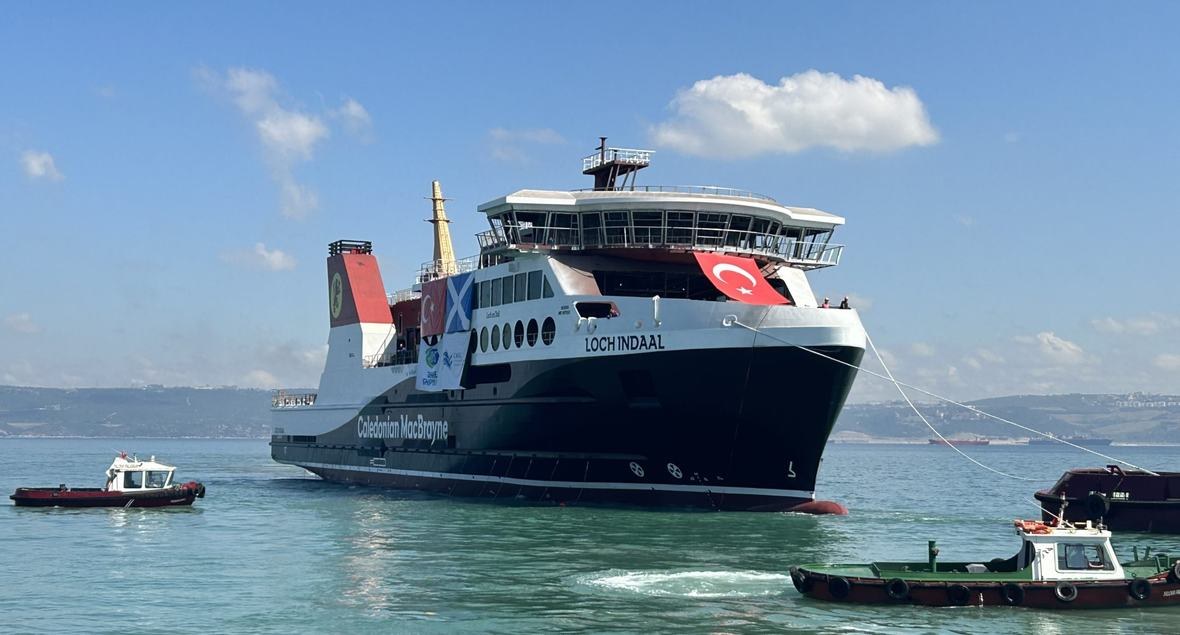
Years late and dogged by earthquakes, steel shortages and a shipyard labour crunch, the diesel-electric ferry MV Loch Indaal is now within weeks of the voyage that finally brings her home to Scotland.
MV Loch Indaal, the second of four new Caledonian Maritime Assets (CMAL) ferries built at Turkey's Cemre shipyard, is approaching the end of a long delay. A Scottish Parliament Transport Committee letter from CMAL, dated 30 October, confirms the UK's Maritime and Coastguard Agency was due back at the shipyard the week of 9 November for what's expected to be final Flag State approval, followed by a seven to ten day preparation period before the repositioning voyage. Her sister ship, Isle of Islay, made the same roughly two-week Turkey-to-Scotland crossing in February 2026 after years of delay blamed on labour shortages, steel supply problems and the 2023 Turkey-Syria earthquakes.
Loch Indaal carries the same propulsion as Isle of Islay: diesel-electric with a 1 MWh Leclanche battery pack, four Wartsila 8L20 gensets and twin Voith Schneider propulsors, used for peak shaving and manoeuvring in port rather than sustained electric-only running. It's a genuine marine diesel-electric hybrid, not a road car, so it doesn't fit the MHEV, HEV or PHEV boxes we use for utes and SUVs, but it sits closest to HEV territory: battery topped up by the diesel gensets, no plug, short bursts of electric running rather than long range cruising. For islanders who've watched delivery dates slip for years, a firm departure date out of Turkey will matter more than any spec sheet.